

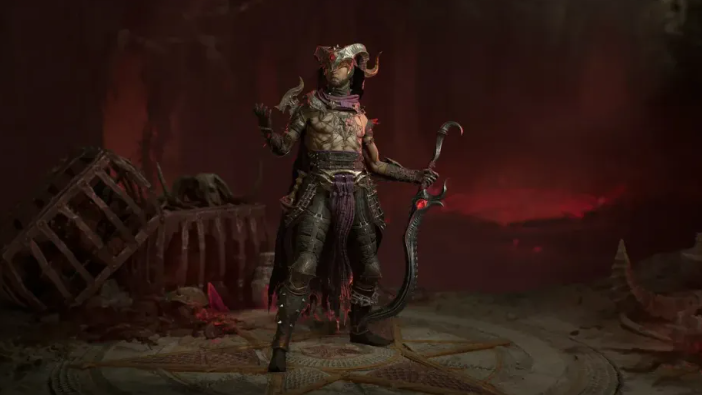
Diablo 4 Dread Claws Guide: Making Monsters Question Their Career Choices

The Warlock has quickly risen to prominence in Diablo 4 Season 13, and among its many powerful setups, the Dread Claws Warlock build stands out as one of the strongest melee-focused options in the entire game. Combining high-speed mobility, relentless Shadow-infused melee strikes, and powerful sustain mechanics, this build dominates both farming content and endgame progression.

Whether you’re pushing Torment difficulties, clearing Nightmare Dungeons, or farming elite Diablo 4 Items, the Dread Claws Warlock offers one of the fastest and most efficient gameplay experiences available today.

Why the Dread Claws Warlock Is Dominating Season 13

The core strength of the Dread Claws Warlock lies in its ability to combine burst damage, sustain, and mobility into a single fluid combat style. Unlike slower caster builds, this setup thrives in close-range combat, where constant aggression leads to nonstop kill chains.

Key Advantages

·Extremely fast, clear speed in dense content

·High survivability through life-steal mechanics

·Strong boss damage scaling

·Excellent mobility for fast map traversal

·Smooth and consistent resource generation

Because of its aggressive design, the build excels in activities where efficiency matters most, such as Infernal Hordes and Nightmare Dungeons.

For players farming high-value Diablo 4 Items, this build provides one of the fastest routes to consistent loot acquisition in Season 13.

Core Gameplay Style and Combat Loop

The Dread Claws Warlock is designed around constant forward momentum. Players dive into enemy packs, apply debuffs, and shred through groups using rapid melee chains enhanced by Shadow and Chaos synergies.

Core Gameplay Loop

1. Dash into enemy packs using mobility skills

2. Apply hex-based debuffs to weaken targets

3. Use Dread Claws for primary melee damage

4. Trigger Soulfire for resource sustain and Shadow burst

5. Maintain cooldown rotation for continuous aggression

This loop creates a fast-paced combat rhythm where enemies are rarely alive long enough to respond.

The result is a highly efficient farming playstyle that excels in both solo and group content.

Core Skills of the Dread Claws Warlock

The build revolves around several key abilities that work together to maximize melee pressure and sustain.

Dread Claws (Primary Skill)

The main damage source of the build. Dread Claws delivers rapid melee strikes with strong Shadow scaling, allowing for fast pack clearing and elite melting.

Soulfire

Provides supplemental Shadow damage and helps sustain resource generation during extended fights.

Hex Abilities

These debuffs weaken enemies and amplify incoming damage, significantly increasing overall efficiency in both farming and boss encounters.

Mobility Skills

Essential for maintaining aggression and repositioning quickly between enemy packs.

Chaos Passives

Enhance both survivability and burst damage, ensuring consistent performance even in high-Torment content.

Once fully optimized, the build becomes a near-constant chain of melee destruction.

Best Diablo 4 Items for Dread Claws Warlock

Gear optimization is essential for maximizing the performance of this build. The effectiveness of Dread Claws scales heavily with properly rolled affixes and upgraded equipment.

Priority Stats on Diablo 4 Items

·Attack Speed

·Critical Strike Chance

·Shadow Damage bonuses

·Cooldown Reduction

·Life Steal or sustain effects

·Mobility enhancements

Because the build attacks extremely quickly, even small upgrades to Diablo 4 Items can dramatically improve overall DPS output.

High-end players typically focus on Greater Affix gear combined with Masterworking upgrades to push the build into endgame efficiency.

Crafting and Endgame Optimization

Season 13 introduces deeper crafting systems that significantly impact melee builds like Dread Claws. Optimizing gear requires heavy investment in resources and time.

Key Crafting Systems

·Tempering rerolls

·Masterworking upgrades

·Legendary Aspect enhancement

·Affix optimization

·Mythic gear farming

As players refine their builds, the cost of upgrading increases rapidly. This creates a strong demand for crafting resources such as Obducite, Forgotten Souls, and gold.

Many players spend significant time farming or choose to buy D4 materials to accelerate progression and reduce repetitive grinding.

Best Farming Activities for Dread Claws Warlock

The build excels in high-density, fast-paced content where continuous combat is possible.

Infernal Hordes

Ideal for nonstop combat and kill chaining. The build thrives in constant enemy waves.

Nightmare Dungeons

Fast clearing potential makes this one of the best sources of loot and Diablo 4 Items.

The Pit

High-end scaling allows strong performance even in challenging tiers.

Helltides

Excellent for farming, crafting materials, and elite drops while maintaining fast movement.

Each of these activities benefits from the build’s combination of speed and survivability.

Why Mobility Defines the Meta in Season 13

Modern Diablo 4 endgame content heavily rewards speed and efficiency. The more quickly a player can clear content, the more rewards they generate per hour.

The Dread Claws Warlock excels because it prioritizes:

·Fast movement between packs

·Rapid elite elimination

·Minimal downtime between fights

·Continuous offensive pressure

This directly translates into:

·Faster Diablo 4 Items farming

·Higher gold generation

·Increased Paragon leveling speed

·Better crafting material acquisition

In Season 13, mobility is just as important as raw damage-and this build delivers both.

Community Reaction to the Build

The Diablo 4 community has widely praised the Dread Claws Warlock for its:

·Fast-paced gameplay

·Smooth combat flow

·High damage consistency

·Fun and aggressive playstyle

Many players compare it to classic Diablo melee archetypes, but with significantly improved fluidity and scaling.

However, some discussions suggest that its performance may eventually receive balancing adjustments due to its extremely high efficiency in farming and progression.

For now, it remains one of the strongest builds in the game.

Strengths and Weaknesses

Strengths

·Exceptional farming speed

·High melee burst damage

·Strong survivability through sustain

·Excellent mobility

·Scales well with endgame gear

Weaknesses

·Requires optimized gear to reach full potential

·Resource-heavy crafting progression

·Can feel fragile without proper upgrades

·Relies on efficient cooldown management

Despite these drawbacks, the build becomes significantly more powerful with proper investment into Diablo 4 Items and optimized affix setups.

Final Thoughts

The Dread Claws Warlock is one of the most powerful and efficient builds in Diablo 4 Season 13. Its combination of speed, sustain, and devastating melee damage makes it a top-tier choice for both farming and endgame progression.


Diablo 4 Shield of Retribution Paladin Build Guide (Season 11)

The Paladin class in Diablo 4 offers a powerful mix of mobility, survivability, and explosive damage, making it one of the most versatile classes in the game. Among its standout abilities is Blessed Shield, a skill capable of bouncing between enemies and delivering reliable AoE damage. While several upgrades modify its behavior, Shield of Retribution is the clear endgame choice for players pushing high Torment tiers.

This guide breaks down everything you need to know about the Shield of Retribution Paladin build, including skills, passives, gear, Legendary Aspects, Paragon Boards, and key Diablo 4 Items like Ward of the White Dove and Argent Veil that elevate the build to endgame dominance.

What Is Shield of Retribution?

The Shield of Retribution upgrade fundamentally changes how Blessed Shield functions. Instead of bouncing rapidly between multiple targets, the shield becomes a slow-moving, short-range projectile that pulses damage several times before detonating.

This transformation concentrates damage into a tight area, dramatically increasing the effectiveness of Juggernaut multipliers, Thorns scaling, and Arbiter-based bonuses. While you lose some screen-wide clear speed, the payoff is massive single-target damage and devastating clustered AoE, ideal for bosses, elites, and Torment-level encounters.

Core Skills for the Build

The Shield of Retribution Paladin relies on a tightly synergized skill setup focused on Thorns, Resolve, and Arbiter uptime:

·Clash – Punishment

A key Basic Skill that significantly boosts Thorns damage and primes enemies for burst windows.

·Blessed Shield – Shield of Retribution

The centerpiece of the build. Pulses Thorns damage and explode for an enormous concentrated AoE.

·Fanaticism Aura – Rite of Vengeance

Grants attack speed and critical bonuses passively, while activation weakens enemies for increased damage.

·Defiance Aura – Rite of Prayer

Improves defenses, generates Resolve, and can be activated to gain Unstoppable.

·Aegis – Faith Is My Shield

Increases Block Chance and marks enemies with Judgement, enabling powerful Paragon bonuses.

·Arbiter of Justice – Seraph’s Wings

Enter Arbiter form for massive stat boosts and synergy with Argent Veil and Arbiter-focused gear.

Playstyle Tip:

Use Evade frequently while mapping to stay mobile. Against bosses, open with Clash, manually cast Shield of Retribution, activate Arbiter of Justice, and circle your target to maximize overlapping pulses and explosions.

Passives and Paladin Oath

Key Passives

This build prioritizes Thorns scaling, Block Chance, Fortify, and damage multipliers:

·En Garde, Riposte, Discipline

·The Best Offense, Fortitude, Thorns, Thistles

·Iron Sharpens Iron, Break the Line, Heavyweight

·Press the Advantage, Master Craftwork, Shining Armor

·Giant Slayer, Coat of Arms

Fortify Generation

In Season 11, Divine Gifts such as Essence of Lies from Belial grant Fortify equal to 1% of Maximum Life per second. Outside seasonal mechanics, Fanaticism Aura – Rite of Redemption provides reliable Fortify and healing whenever enemies die within Aura range.

Paladin Oath Choice

The Juggernaut Oath is mandatory for Shield of Retribution. It dramatically boosts Blessed Shield damage and prevents Resolve stacks from being lost when hit. Other Oaths offer minimal synergy, making Juggernaut the clear best-in-slot option.

Gear and Unique Items

Ward of the White Dove (Unique Shield)

This item doubles Blessed Shield damage and reduces Faith cost for consecutive casts. When stacked with Juggernaut bonuses, Shield of Retribution can reach absurd damage numbers. Pair it with Griswold’s Opus for additional Critical Strike scaling.

Argent Veil (Unique Ring)

Argent Veil automatically casts Shield of Retribution while moving in Arbiter form, massively increasing damage uptime and smoothness. Players farming this ring often choose to buy Diablo 4 materials to trade or summon bosses more efficiently.

Judgment of Auriel (Optional Unique)

Grants all Arbiter of Justice upgrades for free and provides damage and damage reduction scaling with Skill Ranks. While not required, it frees up skill points and improves consistency.

Razorplate or Shroud of False Death

Both chest options enhance Thorns’ damage and survivability. Since Shield of Retribution scales heavily with Thorns, prioritize the armor that offers the highest defensive value for your build.

Best Legendary Aspects

·Juggernaut’s Covenant – Converts Resolve into massive damage bonuses

·Chastisement – Multiplicative damage against bosses and crowd-controlled enemies

·Indomitable – Boosts Armor and Impairment Resistance based on Block Chance.

·Arbiter’s Zephyr – Reduces Arbiter Evade cooldown.

When tempering gear, focus on Cooldown Reduction, Arbiter Duration, and Block Chance to maintain near-constant Arbiter uptime.

Paragon Board and Glyph Setup

Recommended Boards & Nodes

·Castle – Bonus damage based on Armor

·Endure – Damage increase while Fortified

·Shield Bearer – Damage scaling with Block Chance

·Sentencing – Up to +90% damage to enemies marked with Judgement

Best Glyphs

·Challenger – Increased damage against Elites

·Apostle – Increased damage to Vulnerable enemies

·Arbiter – Bonus damage for each second spent in Arbiter form

·Chip – Extra Physical Damage

Level Glyphs to expand their radius and fully activate secondary bonuses.

Final Thoughts

The Shield of Retribution Paladin build transforms Blessed Shield into a devastating short-range nuke capable of deleting bosses and elite packs alike. By leveraging Juggernaut synergies, Thorns scaling, and top-tier Diablo 4 Items like Ward of the White Dove, Argent Veil, and Judgment of Auriel, this build delivers both survivability and explosive damage.

Whether you’re farming Torment-tier content or optimizing endgame efficiency, Shield of Retribution offers one of the most satisfying and powerful Paladin playstyles in Diablo 4. With smart gearing-and for some players, choosing to buy Diablo 4 materials to accelerate upgrades-this build showcases the true destructive potential of Paladins in Season 11.

Diablo 4 Season 10: Lightning Sorcerer Build Guide to Domination

Last season was all about the Hydra build, nicknamed Hydraasaur. It burned everything in sight, but Season 10 of Diablo 4 has completely changed the game. With the arrival of Chaos Perks, Mana Shield, and several lightning-themed Chaotic Uniques, Sorcerers have ascended to the top of the meta. Season 10, known as the Season of Infernal Chaos, is all about lightning-and then even more lightning.

If you thought fiery serpents were unstoppable, it’s time to put them aside. Lightning Sorcerers now dominate every activity in the game, from Infernal Hordes to The Pit. Let’s break down why lightning builds are the best in Season 10, what Mana Shield has to do with it, and the three most electrifying builds you can play right now.

Why Lightning Builds Dominate Season 10

Lightning Sorcerers took over Season 10 thanks to three critical factors:

·Mana Shield Perk: This new Chaos Perk reduces your life by 99% but grants over 400% increased maximum mana. Damage is absorbed by mana first, turning Sorcerers into near-unkillable mana tanks.

·Ball of Lightning Synergy: With high mana scaling, every Ball of Lightning cast can consume 200+ mana. This ensures frequent Overpower procs that deal billions of damage.

·Charged Bolts Scaling: Bolts now scale with travel distance and synergize perfectly with new chaotic affixes, adding extra AoE burst potential.

On top of that, the Gravitational Aspect turns Ball of Lightning into a black hole, pulling mobs into your storm. Combined, these mechanics push lightning Sorcerers far ahead of fire or frost builds.

Build 1: Overpower Ball of Lightning Sorcerer

The most explosive lightning setup revolves around chaining Overpower procs through Ball of Lightning. By stacking mana costs, every other cast detonates like a mini-nuke.

Core Setup

·Mana Shield: Turns life into mana pools of 10,000+.

·Ball of Lightning Cost Scaling: Diablo 4 Items like Crown of Lucian and Banish Lord’s Talisman increase costs beyond 200 mana per cast.

·Overpower Synergy: Almost every Ball becomes an Overpower strike, vaporizing elites and bosses instantly.

Key Items

·Strike of the Storm Horn: Converts Ball of Lightning into instant 300% damage splashes.

·Crown of Lucian: Scales mana costs and boosts output.

·Ring of Starless Skies: Stacks core skill ranks.

·Banish Lord’s Talisman: Guarantees alternating Overpower hits.

Playstyle

Stand back, cast Balls of Lightning, and let the screen explode. While you’ll need to stand still for casting, the sheer damage erases that drawback. Perfect for high-tier bossing and elite hunting. Players who stockpile cheap Diablo 4 materials can craft optimized gear setups that push this build even further.

Build 2: Moving, Zooming Ball of Lightning

This version prioritizes fluidity and speed farming. Thanks to Oakin’s Catalyst, you can cast while moving, effectively becoming a walking thunderstorm.

Core Setup

·Ball of Lightning + Oakin’s Catalyst: Converts casts into an aura-like field around you.

·Gravitational Aspect: Implodes mobs into your lightning field.

·Crackling Energy Synergy: Enhanced through Acidor’s Overflowing Cameo.

Key Items

·Oakin’s Catalyst: Core to mobile AoE.

·Lockin’s Talisman: Provides critical strike bonuses based on mana.

·Acidor’s Overflowing Cameo: Buffs Crackling Energy scaling.

·Gravitational Aspect: Pulls mobs into range.

Playstyle

Hold down your cast while running. Enemies are pulled in and shredded instantly. This is the smoothest build for Infernal Hordes, The Pit, or Helltide farming. To optimize farming efficiency, investing in the right Diablo 4 Items early on can make this build even deadlier.

Build 3: Charged Bolts + Crackling Energy Shotgun

For players who prefer a technical playstyle, Charged Bolts shine in Season 10. This build excels at single-target fights while still maintaining AoE power.

Core Setup

·Charged Bolt Travel Scaling: The farther they travel, the harder they hit.

·Mana Shield: Ensures survivability and damage scaling.

·Crackling Energy Shotgun: Max stacks unleash massive bursts.

Key Items

·Staff of Lam Ein (in boots slot): Extends bolt travel and damage.

·Charged Flash Aspect: Adds waves of Crackling Energy.

·Galvanic Azerite Ring: Multiplies lightning damage.

·Acidor’s Overflowing Cameo: Once again, a key item for synergy.

Playstyle

Cast Charged Bolts from range and build up Crackling Energy. Release devastating bursts in boss fights, turning Sorcerers into top-tier single-target slayers.

Mana Shield: The Broken Core of Season 10

At the center of every lightning build lies Mana Shield. Its mechanics are borderline broken:

·99% life reduction (most Sorcerers hover around 70 life).

·400% maximum mana boost.

·All damage absorbed by mana before health.

·Intelligence multiplies the effect further.

The result? Sorcerers with 12,000+ mana pools that function as both health bars and damage engines. Until Blizzard tunes it down, Mana Shield ensures lightning Sorcerers rule the meta.

Why Lightning Outshines Hydra

Hydra Sorcerers still function well, but they suffer from being stationary, less synergistic with Mana Shield, and slower overall. Lightning offers:

·Movement-based AoE (Oakin’s Catalyst).

·Overpower scaling that breaks damage charts.

·Both elite-clearing and boss-melting potential.

·Greater synergy with Season 10’s chaotic perks.

Simply put: Lightning is faster, stronger, and more flexible than Hydra ever was.

Final Thoughts: Which Lightning Build to Play

·Want absurd nukes? → Overpower Ball of Lightning.

·Prefer smooth, mobile farming? → Moving/Zooming Ball of Lightning.

·Like technical, boss-focused gameplay? → Charged Bolts + Crackling Energy.

No matter your choice, Sorcerer is the lightning god of Sanctuary this season. With Mana Shield’s scaling and new uniques, Diablo 4 Season 10 is the era of storms, bolts, and screen-shattering explosions.

Diablo 4: “Keeping the Old Traditions” Quest Walkthrough

Diablo 4, the latest installment in the legendary action RPG series from Blizzard Entertainment, brings players back to the dark and gritty world of Sanctuary. One of the many exciting questlines within Diablo 4 is the “Keeping the Old Traditions” quest, a key mission that explores the deep lore of Sanctuary, challenging players to uncover old customs while battling fierce enemies along the way.

In this walkthrough, we will cover the “Keeping the Old Traditions” quest in detail, offering step-by-step instructions, tips, and insights into how to navigate the quest, solve its challenges, and uncover its secrets.

Introduction to the “Keeping the Old Traditions” Quest

The “Keeping the Old Traditions” quest is one of the pivotal missions in Diablo 4 Gold, introduced during the early chapters of the game. This quest revolves around uncovering long-forgotten traditions and uncovering the past of certain factions in Sanctuary, particularly focusing on their cultural heritage and the importance of their ancestral rituals. The quest will lead you through dangerous areas filled with hostile enemies and uncover some vital lore that helps shape the world of Sanctuary.

Upon starting the quest, players are introduced to a group of NPCs who explain the importance of the old traditions and how they are vital to maintaining balance and peace in Sanctuary. However, something has gone wrong, and it’s up to the player to restore what was lost.

Starting the Quest

To begin “Keeping the Old Traditions”, you will first need to progress through the main story until you reach the appropriate point where this quest becomes available. The quest is typically available in one of the central towns, where an NPC will ask for your help in keeping or restoring these traditions.

Step 1: Find the Quest Giver

Look for a quest marker that will direct you to the NPC who will give you the initial task. This NPC is typically located in one of the game’s hubs, such as Kyovashad or Zakanath, where lore-driven quests are available. Speak to the NPC to begin the questline.

Step 2: Gather Information About the Traditions

The NPC will explain the importance of the old traditions and mention that some of the items or rituals associated with these traditions have been disturbed by dark forces. This information is crucial as it will lead you to the next step of the quest.

The Challenges of “Keeping the Old Traditions”

Once you’ve accepted the quest, you’ll be tasked with completing a series of objectives. Some will be straightforward, while others will require more exploration, puzzle-solving, or combat.

Step 3: Investigate the Sacred Grounds

Your first objective in “Keeping the Old Traditions” is to investigate the sacred grounds where the old rituals are performed. These sites are often located in remote and dangerous parts of the map. You may need to travel to places such as ancient burial grounds, crumbled temples, or forgotten ruins.

Along the way, you’ll encounter several enemies, including:

Corrupted Guardians: Protectors of the sacred grounds, these foes are heavily influenced by demonic forces. They will test your combat skills.

Undead Beasts: Ancient beasts that have been reanimated and guard the path to the sacred site.

Rogue Mages: Spellcasters that serve the dark forces trying to desecrate the old traditions.

It’s essential to remain vigilant, as many of these enemies will attack in large numbers. Take time to clear the enemies, and be sure to use your abilities to manage crowds effectively.

Step 4: Examine the Altered Ritual Site

Once you arrive at the sacred site, you’ll find that it’s been desecrated. The altar, once used for ritualistic purposes, now sits in ruins, and dark energy permeates the air. To progress in the quest, you’ll need to investigate the site and uncover clues about what has happened.

Clue-Finding:

This stage involves searching the area for clues, such as:

Bloodstains: These stains hint at the defilement of the ritual.

Magical Residue: A lingering aura of dark magic that may point to the responsible party.

Ancient Scriptures: Books or scrolls scattered around the site contain information on the rituals that have been disturbed.

As you examine these clues, you’ll uncover more about the Dark Cultists or Demonic Corruption responsible for disrupting the traditions. This revelation will lead to the next phase of the quest.

Step 5: Fight the Culprits

Having discovered the identity of the enemies, it’s time to confront them. The Dark Cultists or Demonic Minions will appear, and you’ll need to fight your way through these foes. They often possess a range of dangerous abilities, including:

Summoning Demons: The cultists may summon waves of demonic entities to aid them in combat.

Curses and Hexes: These enemies may use debuffs that lower your defense or inflict poison or confusion.

The battle will likely be difficult, especially if you are still leveling up. It’s essential to:

Use your best gear: Ensure that your armor and weapons are upgraded.

Use healing potions and buffs: Prepare yourself with potions that heal or grant buffs.

Focus on the Summoners: Killing the summoners first can help reduce the number of enemies in battle.

Once the battle is won, you’ll have to investigate further to track down the remaining cultists or the source of the corruption.

Completing the Ritual and Restoring the Traditions

Step 6: Perform the Ritual

After dealing with the threat, the final part of the quest is about restoring the old traditions and bringing balance back to the site. This will often involve performing a ritual that requires you to gather specific items or perform certain actions:

Gather Ritual Components: You’ll need to collect materials such as Herbs, Sacred Stones, and Blood of the Fallen from defeated enemies.

Complete a Ritual Puzzle: In some cases, you may need to solve a puzzle that involves arranging symbols, chanting, or aligning objects in a specific way. Be sure to read the ancient scriptures you discovered earlier—they may contain clues on how to solve the puzzle.

Once the ritual is completed, a cinematic cutscene will often play, showing the restoration of balance at the sacred site. The corrupting force will be driven away, and peace will return to the land.

Step 7: Return to the Quest Giver

After completing the ritual, return to the quest giver to report your success. The NPC will congratulate you and offer a reward for your efforts. These rewards may include:

Gold

New Gear

Unique Items: Special collectibles or cheap Diablo 4 materials.

Lore Entries: These provide more information about the world and its factions.

Additionally, you may be granted access to further quests or content that builds on your actions in “Keeping the Old Traditions.”

Tips and Tricks for the “Keeping the Old Traditions” Quest

Be Prepared for Combat: The enemies you face in this questline can be challenging. Ensure that you’re equipped with appropriate gear, especially armor that resists curses and magical damage.

Use Your Map: The areas where you need to investigate are often spread out and located in hard-to-find places. Always keep an eye on your map for objective markers and follow the path.

Take Time to Explore: You may find additional lore and useful items by exploring the areas where the ritual sites are located. Sometimes the best loot is hidden off the main path.

Use Crowd Control Skills: Many of the enemies, especially the summoned demons, can overwhelm you if you’re not careful. Skills that stun, freeze, or push back enemies are invaluable.

Co-op Play: If you’re struggling with difficult enemies, consider teaming up with other players. Diablo 4 offers excellent co-op features that allow you to tackle these challenges together.

Conclusion

“Keeping the Old Traditions” is an exciting and lore-rich quest in Diablo 4 that challenges you to restore balance to the world of Sanctuary. It combines intense combat, puzzle-solving, and deep lore that ties into the overall world-building of the game. As you uncover the past and confront the forces that seek to destroy it, you’ll gain valuable rewards, both in terms of in-game loot and a deeper understanding of the world of Sanctuary.

By following this guide, you’ll be able to successfully complete the quest and restore the old traditions, ensuring peace and stability for the future. Stay vigilant, and good luck in your journey through the dark and dangerous world of Diablo 4!